Retail management & operations
Store, area and multi-site leadership, standards, labour, stock and trading performance.
We support leaders and specialists across retail, food, hospitality, e-commerce and customer operations where standards have to hold up in the real world.
Ireland’s consumer economy combines store and digital retail, food and beverage production, tourism and hospitality, and customer operations. A strong profile shows the operating environment: format, product, shift pattern, standards, customer promise and commercial responsibility. The State’s Critical Skills Occupations List includes professional foresters, agronomists, and chemical or biological scientists in food and beverage manufacturing, among other specified specialisms. The SOLAS National Skills Bulletin is a useful official reference for wider skills context.
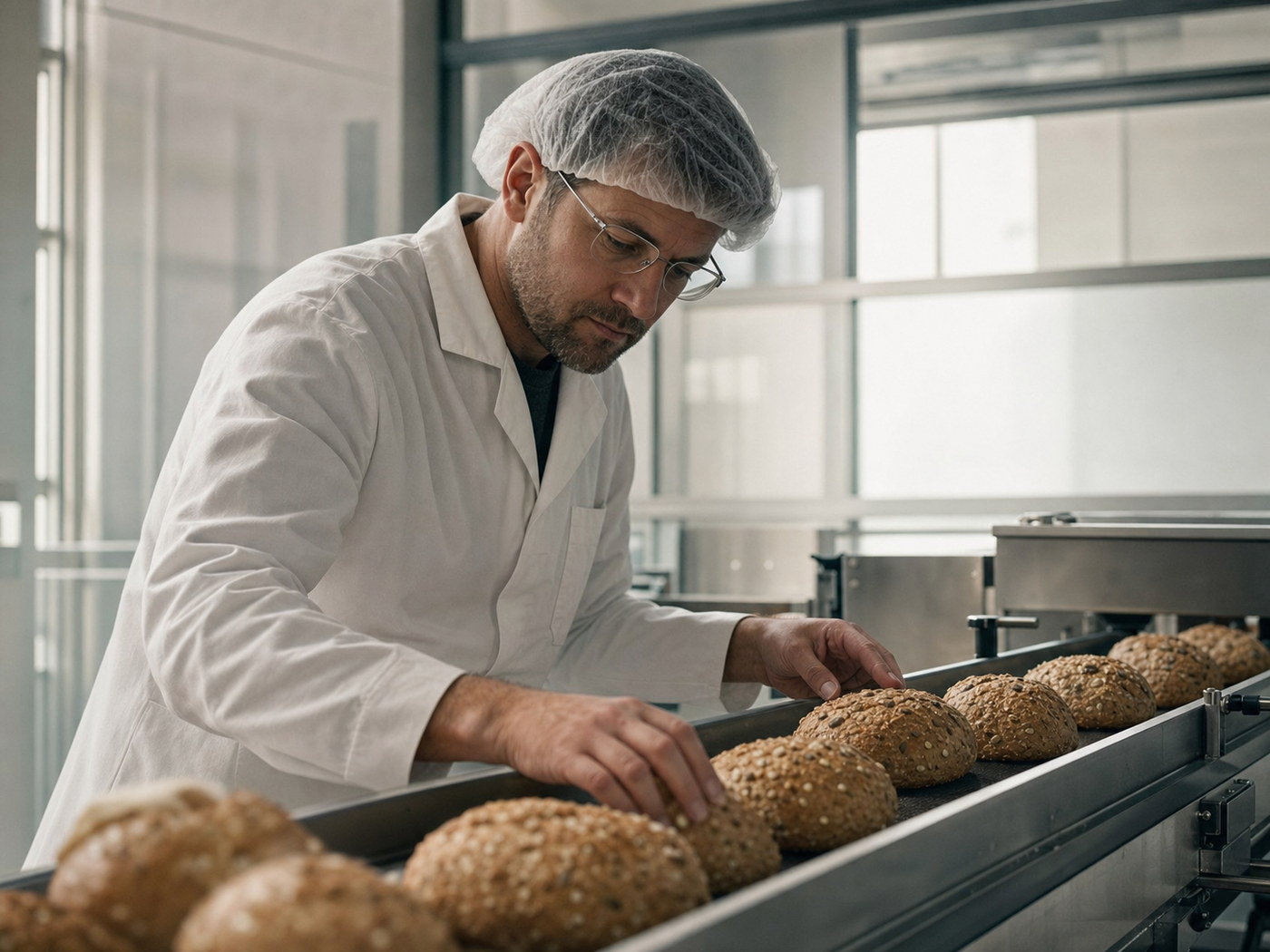
These are distinct conversations, not variations on a generic sector label.
Store, area and multi-site leadership, standards, labour, stock and trading performance.
Range, assortment, pricing, supplier and category decisions that shape demand and margin.
Online trading, conversion, fulfilment, digital content, CRM and customer journeys.
Manufacturing, production planning, process operations and performance improvement.
Primary processing, technical, commercial and operations roles across food supply chains.
HACCP, quality systems, specifications, audit readiness, traceability and technical services.
Hotel, restaurant, accommodation and service operations, revenue and team leadership.
Kitchen leadership, menu execution, food standards, costing and brigade development.
Attraction, destination, event and guest-experience operations.
Service quality, contact operations, complaints, customer insight and team performance.
These are titles seen in Irish recruitment. Actual responsibility, credentials and eligibility vary by employer.
| Level | Typical job titles |
|---|---|
| Entry | Retail supervisor, customer-service adviser, commis chef, quality technician, e-commerce executive, buyer’s assistant |
| Mid | Store manager, category executive, assistant buyer, quality manager, production supervisor, revenue manager, customer experience manager |
| Senior | Area manager, senior buyer, technical manager, food-safety manager, operations manager, head chef, contact-centre manager |
| Lead and above | Retail operations director, head of buying, head of technical, general manager, commercial director, customer-experience director |
In food, evidence of HACCP and food-safety training, familiarity with FSAI guidance on food safety and HACCP, audit standards and traceability is central. Retail and hospitality employers also value practical commercial numeracy, rostering, labour and stock control, digital-trading data, service-recovery judgement and the ability to lead standards consistently across busy shifts.
People are rarely underqualified. They are usually under-translated. This is how that principle works in Consumer, Retail, Food & Hospitality.
Consumer-facing work is too often reduced to “customer service” or “team leadership”, masking the commercial and standards responsibility underneath.
We capture the format, footfall or production context, KPI ownership, service recovery, food-safety or quality responsibility, people leadership and improvement you delivered.
A CV and achievement bank that distinguish trading, technical, food, hospitality or customer-experience expertise, plus scenario-led interview preparation.
You are able to explain how you protected customers, quality, margin and team performance, with real examples rather than generic service language.
We do the clarifying work before a shortlist is requested.
An operations hire can fail when the brief ignores trading model, shift reality, menu/product complexity or non-negotiable safety standards.
We define the site or portfolio, operating hours, revenue or volume context, team, systems, standards, service model and authority to make change.
A credible role brief, shortlist rationale and interview scorecard that tests commercial judgement, standards and people leadership together.
Processes often include an initial screen, line-manager or site interview, scenario or walk-through, competency discussion and references. Food and hospitality roles may include food-safety, right-to-work or schedule checks.
Customer recovery; sales, margin and stock; food safety and quality; service standards; team coaching; operating under pressure; digital trading; and handling complaints or incidents.
We use your own evidence to structure answers. We do not manufacture examples or guarantee an interview result.
Retail management → customer operations or field leadership: show commercial KPIs, coaching and multi-site standards. Food production → quality or technical: evidence HACCP, traceability and investigation skills. Hospitality operations → events or visitor experience: bring service recovery, scheduling and guest experience. E-commerce trading → category or CRM roles: demonstrate conversion, range insight and cross-functional delivery.
Whether you are considering a move or defining a hire, we start with the actual work, the evidence and the next practical decision.